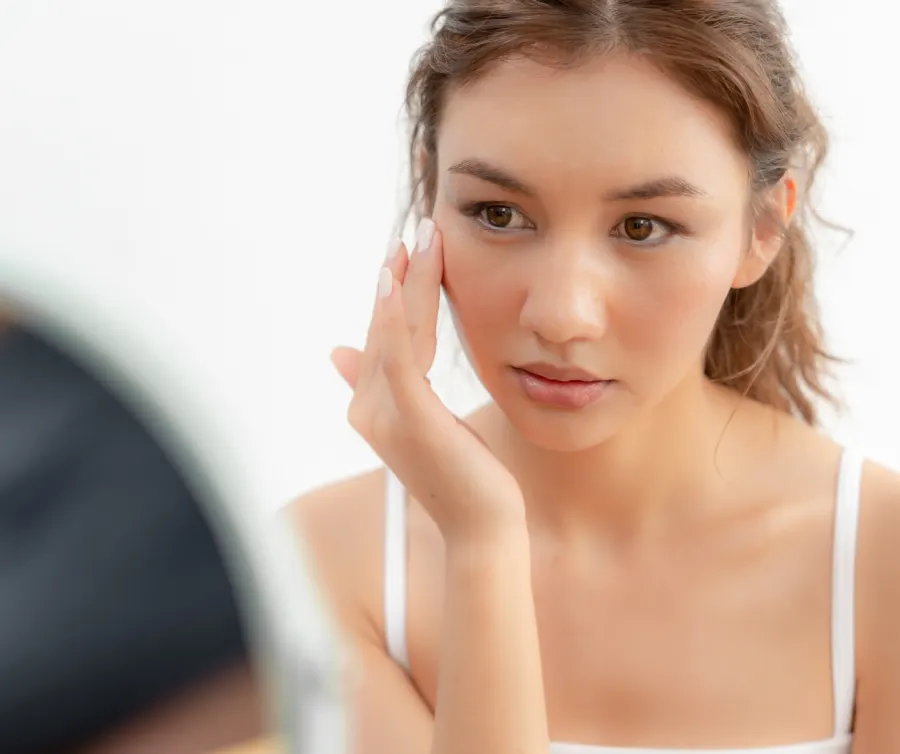
Rosacea isn't just blushing; it's a chronic skin condition that affects millions worldwide. It causes persistent redness, flushing, enlarged pores, and sometimes acne-like bumps. During Rosacea Awareness Month, it's important to shed light on this often-misunderstood issue and help people learn how to manage it effectively.
What Exactly is Rosacea?
Rosacea goes beyond being a cosmetic issue. It is a chronic inflammatory skin condition that has significant symptoms that can affect your daily life. People with rosacea often have redness on their face that won't go away, along with flushing, visible blood vessels, and sometimes bumps that look like acne. Their face may not only look rosy, but also feel hot and tender. Genetics is felt to be a major factor in why some people are more prone to rosacea as sufferers often are fair skinned and of Celtic backgrounds. Other factors may include problems with the immune system or environmental triggers.
Triggers to Avoid:
Learning what causes rosacea symptoms to worsen and avoiding them when possible is key to managing the condition. We recommend avoiding the following:
Heat: Saunas, hot tubs, and steam rooms exacerbate symptoms.
Spicy Foods and Hot Beverages: These heat us up from the inside and can cause flushing.
Caffeine and Alcohol: Drinks containing these often precipitate facial redness and flushing.
Intense Exercise: Vigorous physical activity may lead to heightened flushing by stimulating blood flow to the skin.
Sun Exposure: UV radiation worsens symptoms and accelerates aging.
Taking Care of Your Skin with Rosacea:
People with rosacea usually have sensitive skin, so it's important to be gentle with it. Avoid harsh scrubs, products with acids like Glycolics or AHAs, and anything with fragrances that might irritate your skin. Sunscreen is a must to protect your skin from the UV, which can make your symptoms worse. Mineral based sunscreens are preferred.
Treatments for Rosacea:
Effective management of rosacea may involve both medical and cosmetic approaches.
Medical treatments prescribed by healthcare professionals may include:
Antibiotics: Oral or topical antibiotics can help reduce inflammation.
Antiparasitics: Some cases of rosacea may involve an overgrowth of Demodex mites, and antiparasitic medications can be prescribed.
Topical Medications: Creams or gels containing ingredients like azelaic acid or metronidazole can help manage symptoms.
Cosmetic procedures can also aid in managing rosacea:
IPL (Intense Pulsed Light) or Broad Band Light Therapy: These procedures can target and seal up tiny capillaries and broken blood vessels, reducing redness.
Laser Therapy: Certain lasers can target blood vessels and reduce redness.
Skincare Regimens: Using gentle skincare products formulated for sensitive skin can help soothe and manage rosacea symptoms
By spreading the word about rosacea and sharing tips on how to handle it, we can support those dealing with it and help them live more comfortably. If you think you might have rosacea or your symptoms are out of control, speak to a healthcare professional. Together, let's work towards a future where rosacea is easier to deal with and understand.
November 2026
September 2026
August 2026
August 2024
May 2024
April 2024
February 2023
September 2022
January 2022
November 2021
January 2021
November 2020
September 2020
November 2019
September 2019
March 2019
September 2018
September 2017
January 2017
October 2016
September 2016
June 2016
December 2015
May 2015
March 2015
January 2015
September 2014
December 2013
June 2013
April 2013
February 2013
December 2012
November 2012
August 2012